Manuel
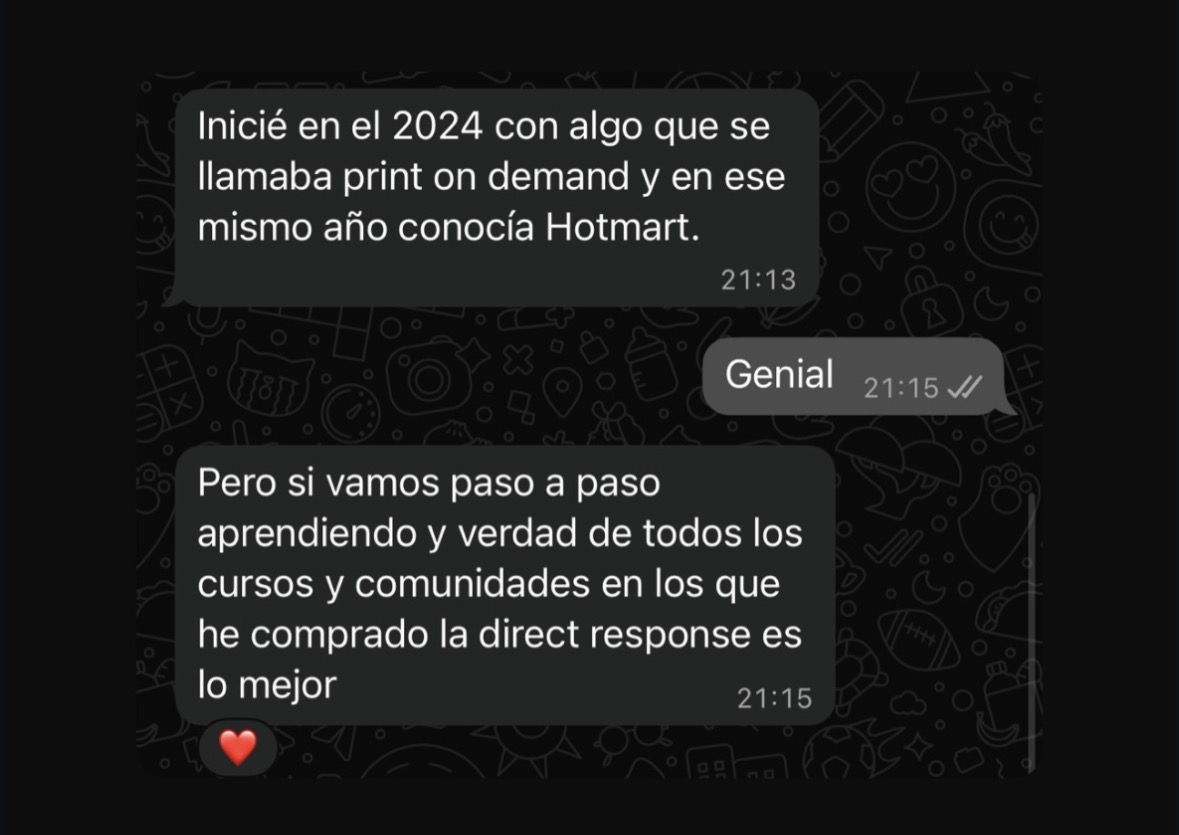
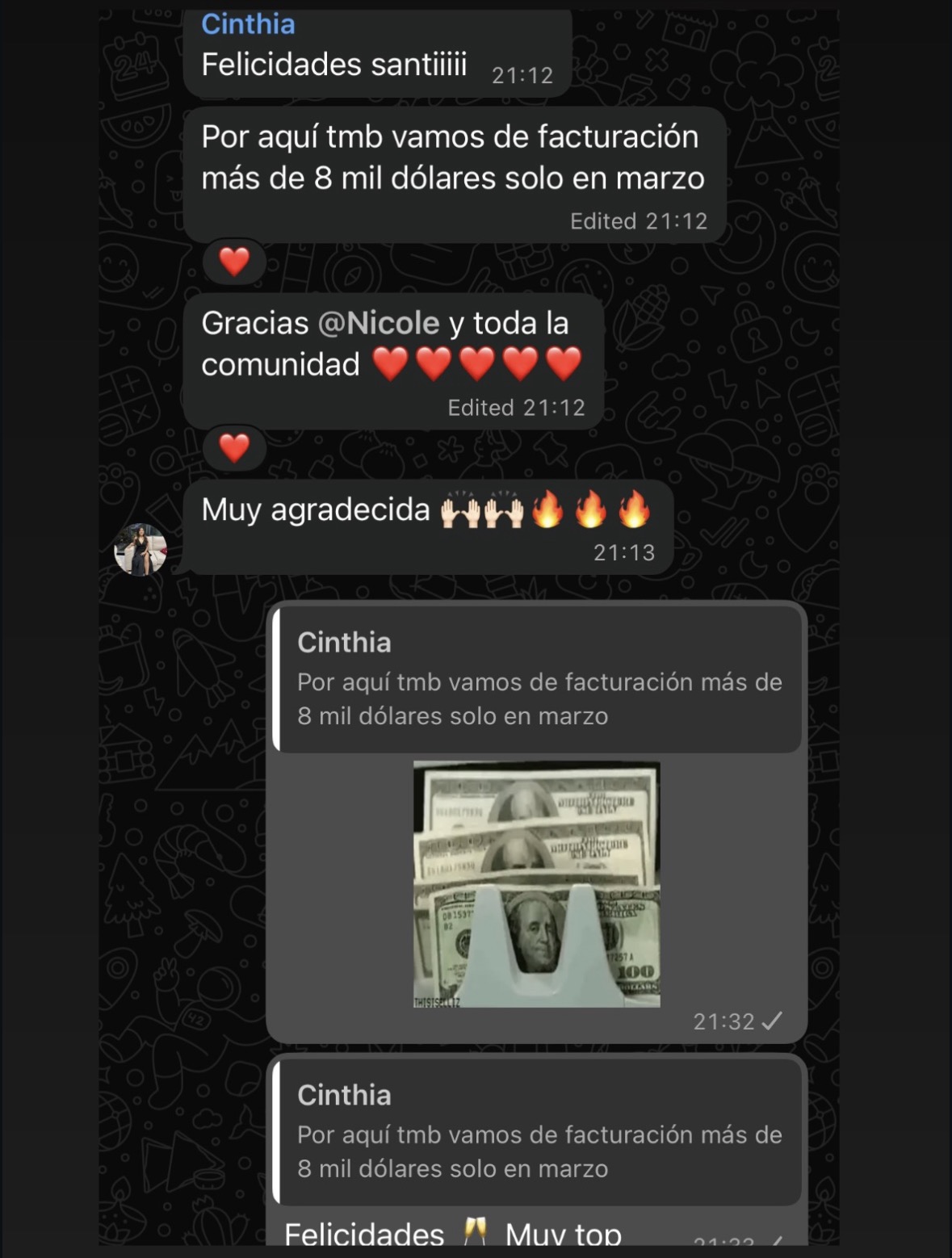
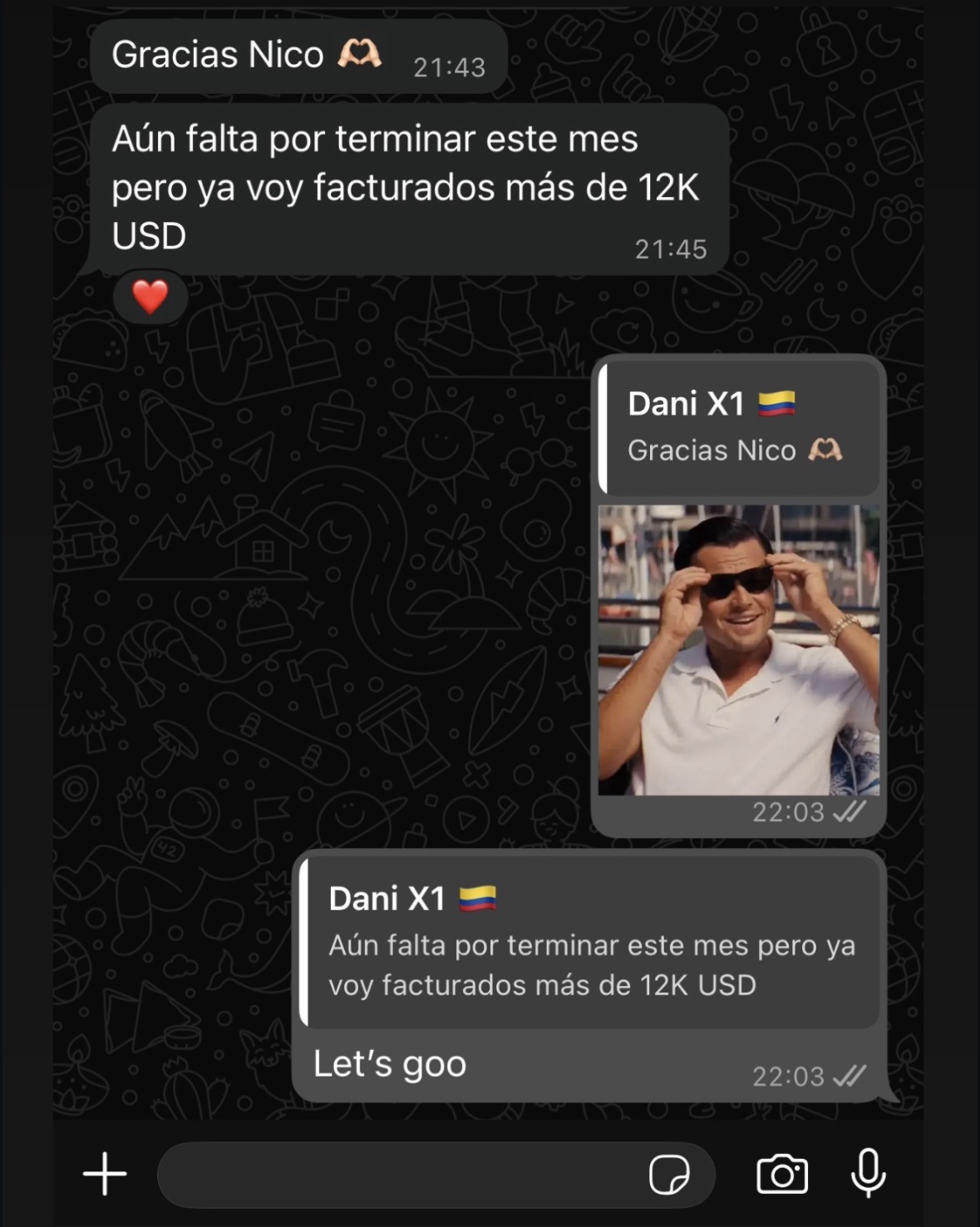
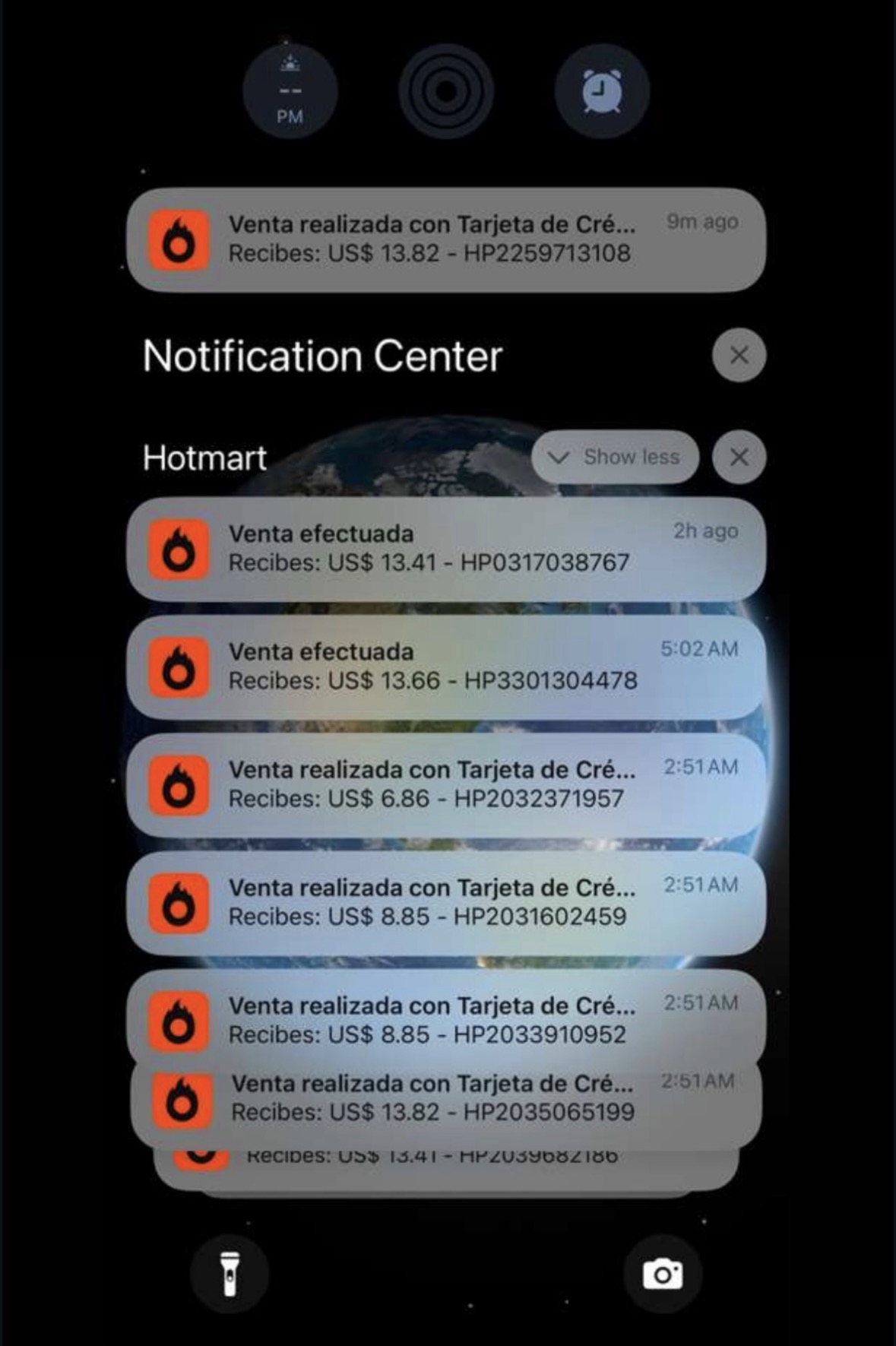
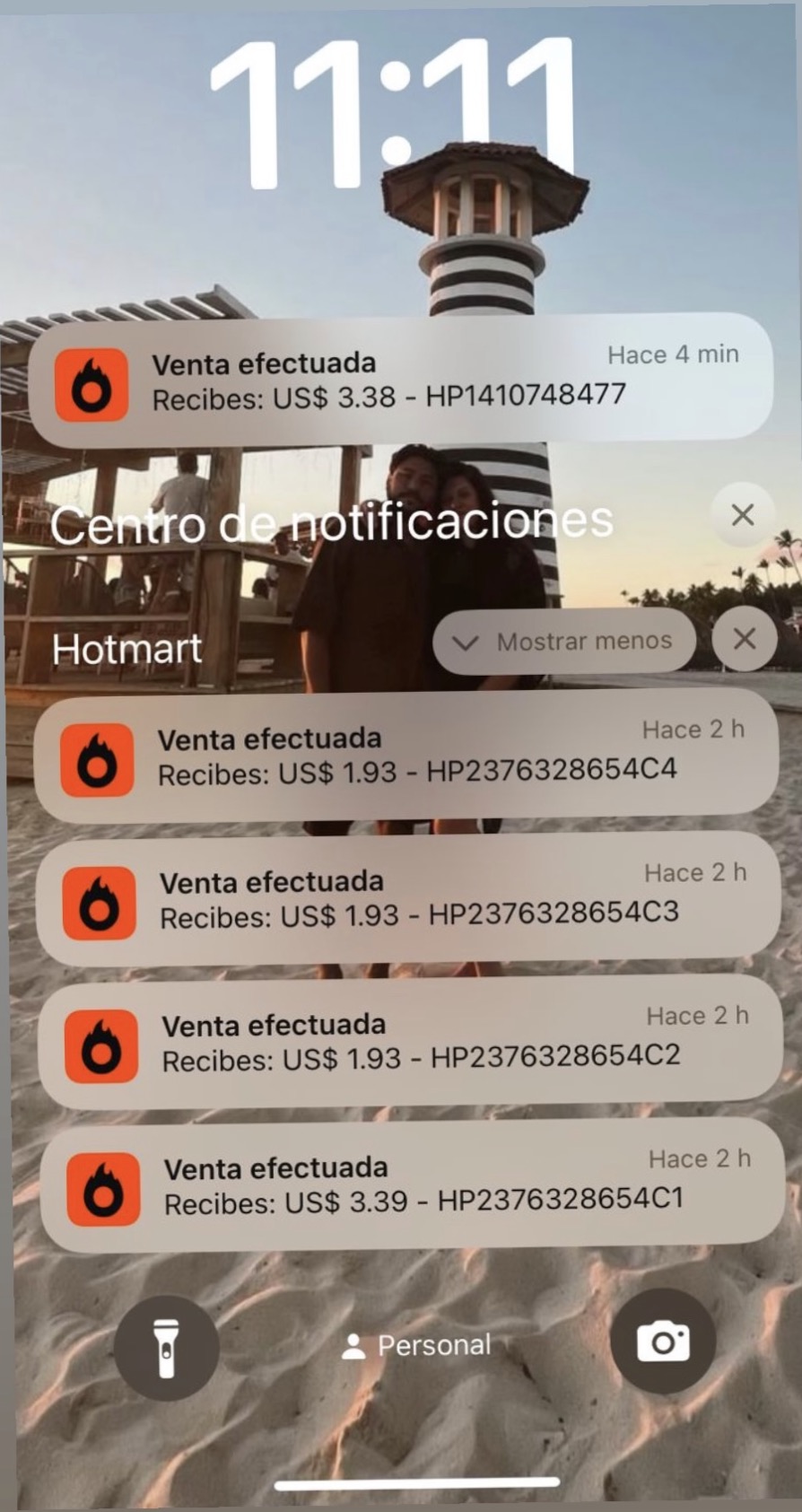
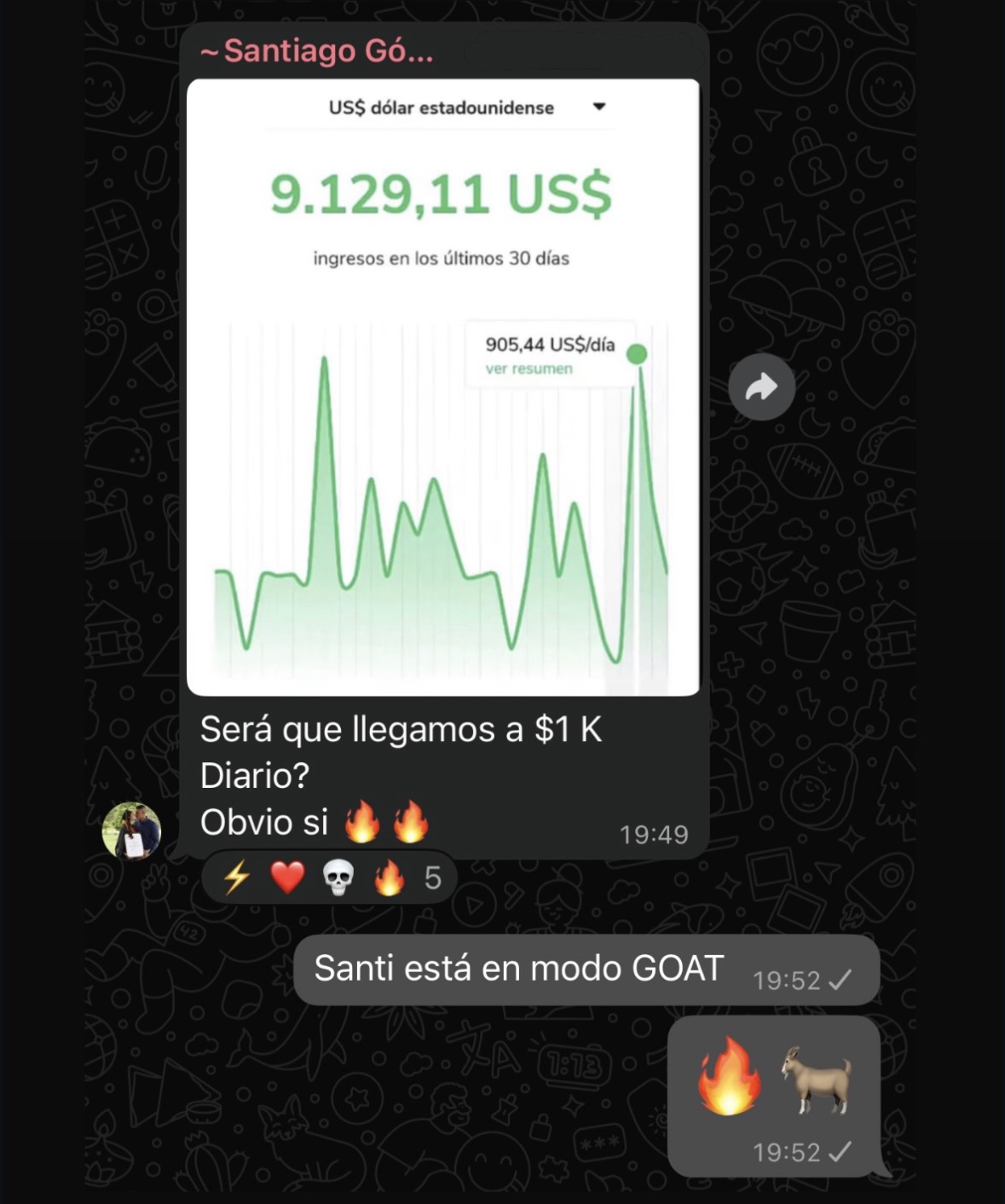
"Nicole helped me scale projects to more than $100K in revenue."
Five years ago, I got my start in digital marketing on my own in my home country, becoming the first entrepreneur in my family...
I speak Portuguese, English, and Spanish.
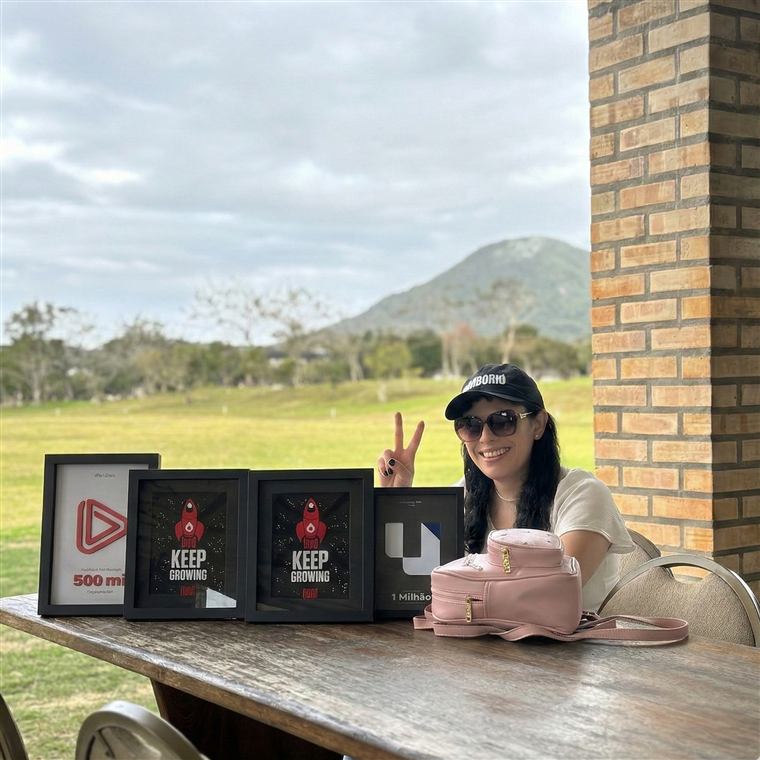

From black-hat offers to fully white-hat niches.
Global reach
All 92 markets appear on the map: countries in gold, and smaller islands or territories as dots.
92markets
30,367sales
The map could not be loaded. View the full list instead.
92 markets
No markets found.
4 steps
Research is the foundation of the process because it builds your frame of reference. That frame of reference is what allows you to generate strong ideas, identify patterns, and make better decisions when creating an ad.
In this process, I am not going to hand you a form with dozens or hundreds of questions to fill out. That is not how I work, and in practice, most people do not maintain that kind of process. What I do is open a document, spreadsheet, or insight bank and record everything I find as I research.
Throughout this stage, I will show you the types of research I conduct and what I look for in each one. Anything relevant — patterns, formats, avatars, ideas, language, audience information, winning ads, and other insights — goes into that bank.
The main goal of research is to find patterns. No ad validates by accident. If something is selling, there is a reason behind it. Our job is to understand that reason, identify what winning ads have in common, and use those findings to create new ideas.
Complete research matters most when you are entering a new niche or are still a beginner. Once you have built that frame of reference, you do not need to start from scratch every time. Usually, you only need to consult what you already have and conduct targeted research when necessary.
Everything that has already been tested — all the data and all the copy research — gives us information. If you have access to it, it would be foolish not to use it.
Anything relevant, anything you did not know, and anything that could be useful:
The goal here is not just to copy other people’s ads. It is to understand how that niche works.
You should find winning ads in your niche, download them, and extract as much information and as many patterns as possible.
The main focus should be on the benefit.
The main focus should be on the problem.
My best ideas are usually not limited to the niche I am writing for. They extend across the entire market. There is a lot of gold here and a way to make sure you never run out of ideas.
Research brands in different niches and different countries whose ads are scaling or working, and ask yourself: what is working in the market that I can adapt to my product?
So far, we have looked at data and content. But one of the essential parts of generating strong ideas and creating strong ads is understanding who we are talking to, because that changes everything.
The research is divided into two parts: the buyer and buyer research.
Before researching the most obvious audience, ask yourself: what different buyers could exist for this same product?
Note: this does not mean creating an ad for every one of them. It means recognizing that they exist. Then, through psychology, we decide which audience is worth targeting.
For micro-audiences, you only need to add a small amount of targeted research. It does not mean conducting completely separate, in-depth research.
I see every ad as being divided into two parts: psychology and communication.
Psychology is everything that comes before the writing. It is the set of decisions that defines what we will do in that ad, who we will speak to, which idea we will test, which format and avatar we will use, and why we believe it can work.
Communication is how that psychology is transformed into copy: which words we use, the order in which we present the arguments, how we build the hook, develop the idea, and lead the person to take action.
Of the two, psychology may be the most important. An ad can use simple communication and still sell a lot if the decisions behind it are strong. But excellent communication will rarely save a weak idea or a poorly conceived strategy.
Ultimately, being a strong creative strategist is exactly that: making good decisions. Understanding what is worth testing, why it is worth testing, and how to build an idea with a greater chance of selling.
That is why this stage is the heart of the process.
One product can have several potential buyers.
For each ad, there are 2 possible paths:
When:
When:
Note: specificity increases identification, but it can reduce scale.
Here, our objective is simple: DEFINE what should be written.
Actually define what will happen in the ad.
You need to visualize the final result of your ad before a single line of copy exists.
The thesis is simply a final test — what helps you determine whether your ideas are strong or weak.
It helps you choose 5 ideas to execute out of 20.
And it is very simple: you need to be able to explain: WHY will this ad work?
Communication is not about writing beautifully, using difficult words, or being a poet. It is about being able to transform strong psychology into a clear, interesting, and persuasive message.
I like to think of psychology as the gift and communication as the wrapping. You can have an excellent gift, but if the wrapping is poor, it can lose attention and value. At the same time, beautiful wrapping cannot save a bad gift.
The goal of communication is to deliver the psychology to the lead in the best possible way. To do that, we need to capture attention, hold attention, communicate the idea clearly, persuade, and lead the person to the next stage of the funnel.
That is why writing well does not mean writing in a sophisticated way. It means organizing the message correctly, saying what needs to be said without unnecessary detours, and making every part of the copy serve a purpose.
Here, the idea is to understand exactly how a selling ad is structured.
Then turn the copy into an INVISIBLE STRUCTURE / COPY SKELETON.
“If you are over 45 and cannot sleep for 8 hours without waking up once, something is seriously wrong with your body.”
→ Qualifies the audience + points out a problem + increases the seriousness of the situation.
“If you have ever taken melatonin or Ambien to sleep, pay close attention.”
→ Speaks directly to people who have already tried common solutions and captures their attention.
“It is the worst thing you can do.”
→ Strongly discredits the common solution.
“Nobody tells you this, but melatonin is a hormone. It does not affect only your sleep; it also influences several functions in your body that science has not even discovered yet.”
→ Creates a revelation/conspiracy + begins to explain why the common solution could be harmful.
“Studies have already shown that taking more than 1 gram of melatonin per day increases cortisol, dizziness, nausea, and headaches.”
→ Provides a scientific justification to increase fear of the common solution.
“In addition, with every pill you take, your body becomes more dependent on and addicted to a laboratory-made hormone, until it reaches the point where sleeping without it becomes impossible.”
→ Escalates the negative consequences + creates fear of dependence.
Before writing a single sentence, create your own structure.
Hook: challenge common retinols (my idea)
↓
Show the problem: not every retinol is formulated the same way
↓
Explain the difference: X, Y, Z
↓
Add authority/proof
↓
Present our product
↓
Connect to the advertorial
You can take a validated skeleton and adapt it to your psychology.
Winning ad:
Common solution → why it fails → new solution → proof → product
In your new ad, you keep this sequence but completely change the:
Or you can create the skeleton from your own mind. At first, this is more difficult, but after analyzing dozens or hundreds of ads, you begin to internalize patterns and automatically think:
This is the easiest part: you already have your complete idea + format + avatar + structure. Now turn it into a finished ad in one of these two ways.
Free content on YouTube
Choose a video from the playlist and watch it right here.
"Nicole helped me scale projects to more than $100K in revenue."
"Nicole’s guidance on our VSL and ads was incredibly valuable for today’s market."
Project The Marketing Society
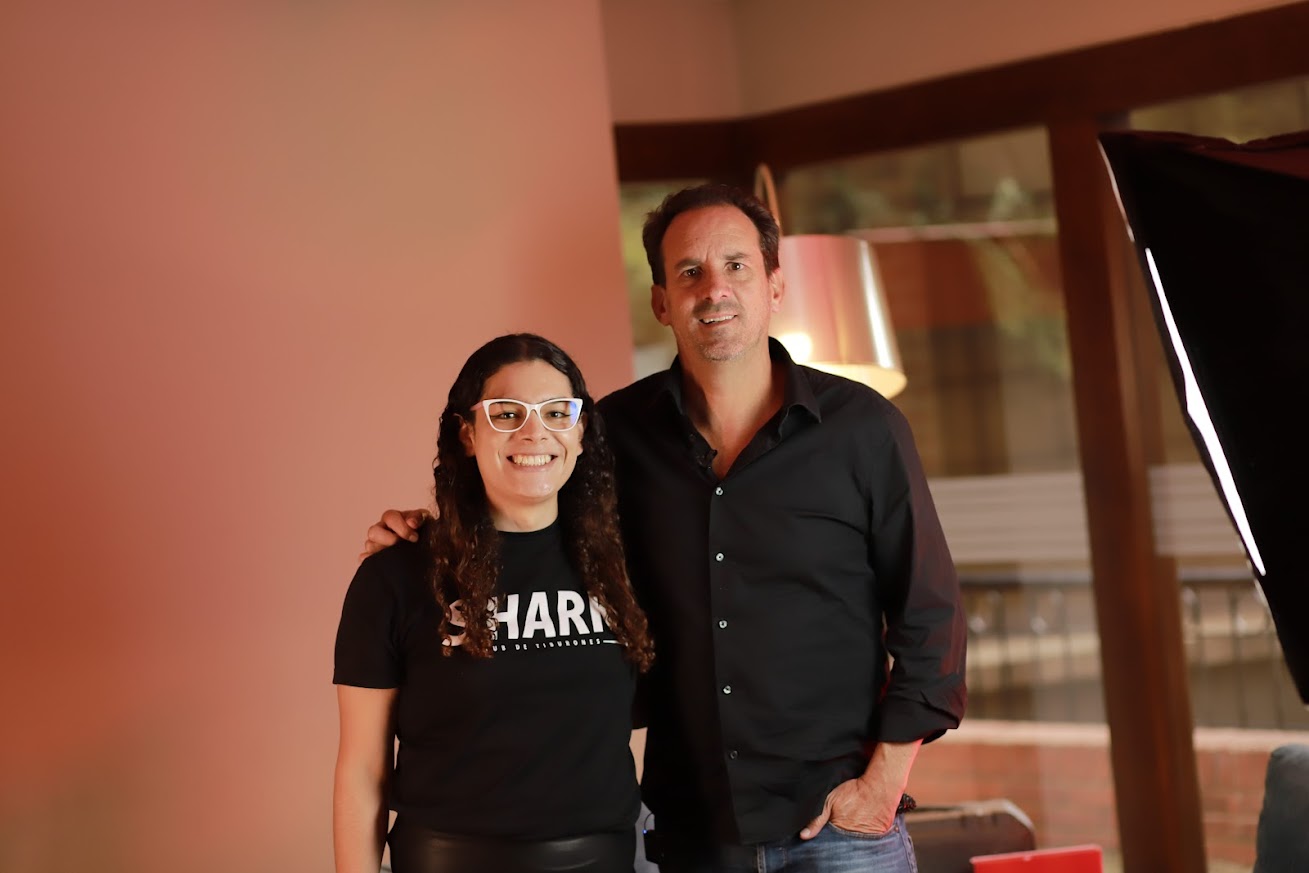
He is Ricardo Leyva, who was featured on Shark Tank Colombia. We worked together from 2023 to 2024 and, alongside a large team, scaled a VSL into one of the top-performing offers in the make-money-online niche at the time.
"Her work helped us boost the results across our projects."
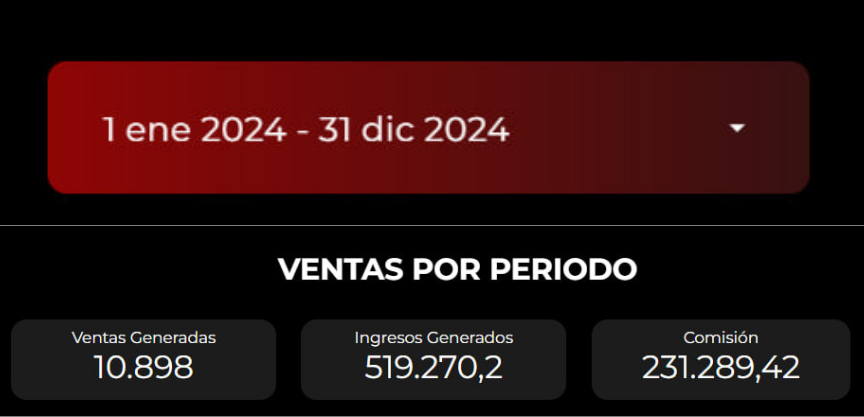
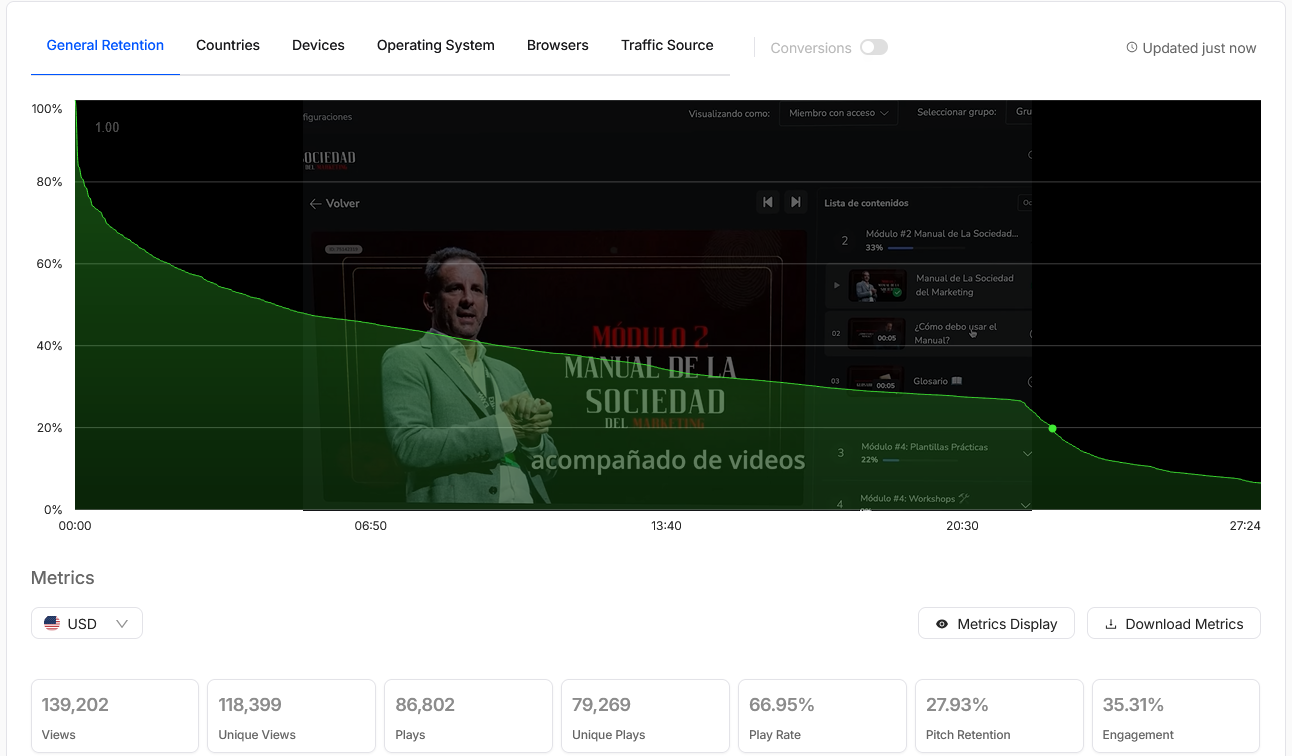
Below are the VSL revenue results and a screenshot of the project’s retention metrics.
Project Magia Fem
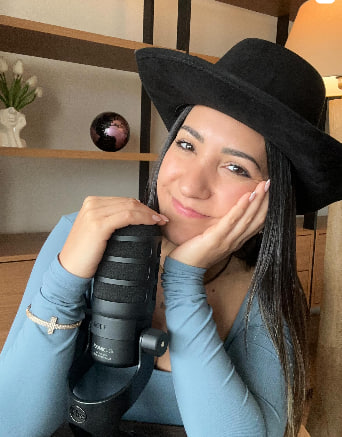
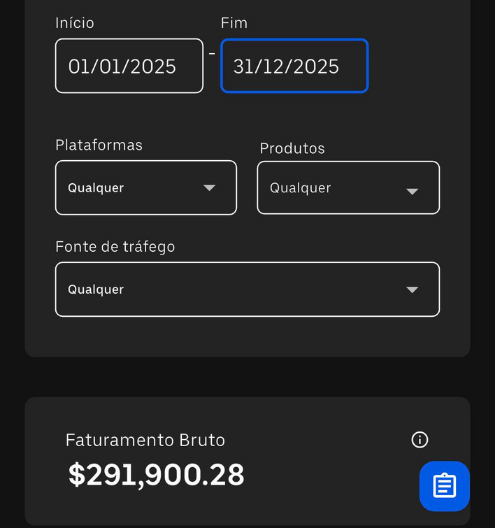
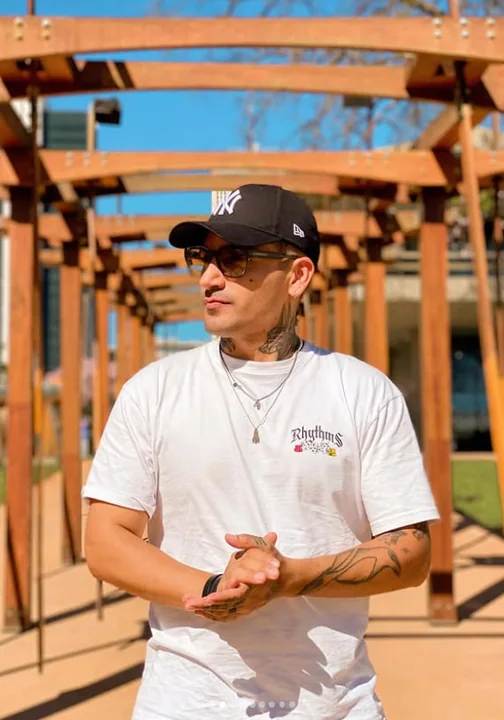
I also worked with Camila Romero, a Uruguayan expert in the manifestation niche. We worked together throughout 2025 and scaled the project to multiple six figures in U.S. dollar revenue.
NicheLaunches and evergreen offers

NicheEntrepreneurship and business formation

NicheReal estate

NicheCryptocurrency and investments
NicheCareer and income growth

NicheHealth and fitness
"I applied the strategy within my first 72 hours and validated offers in under 48 hours."
"It’s a truly complete academy—there’s so much to learn, and the support is excellent."
"In just a few weeks, I achieved great results and gained new direct-response knowledge."
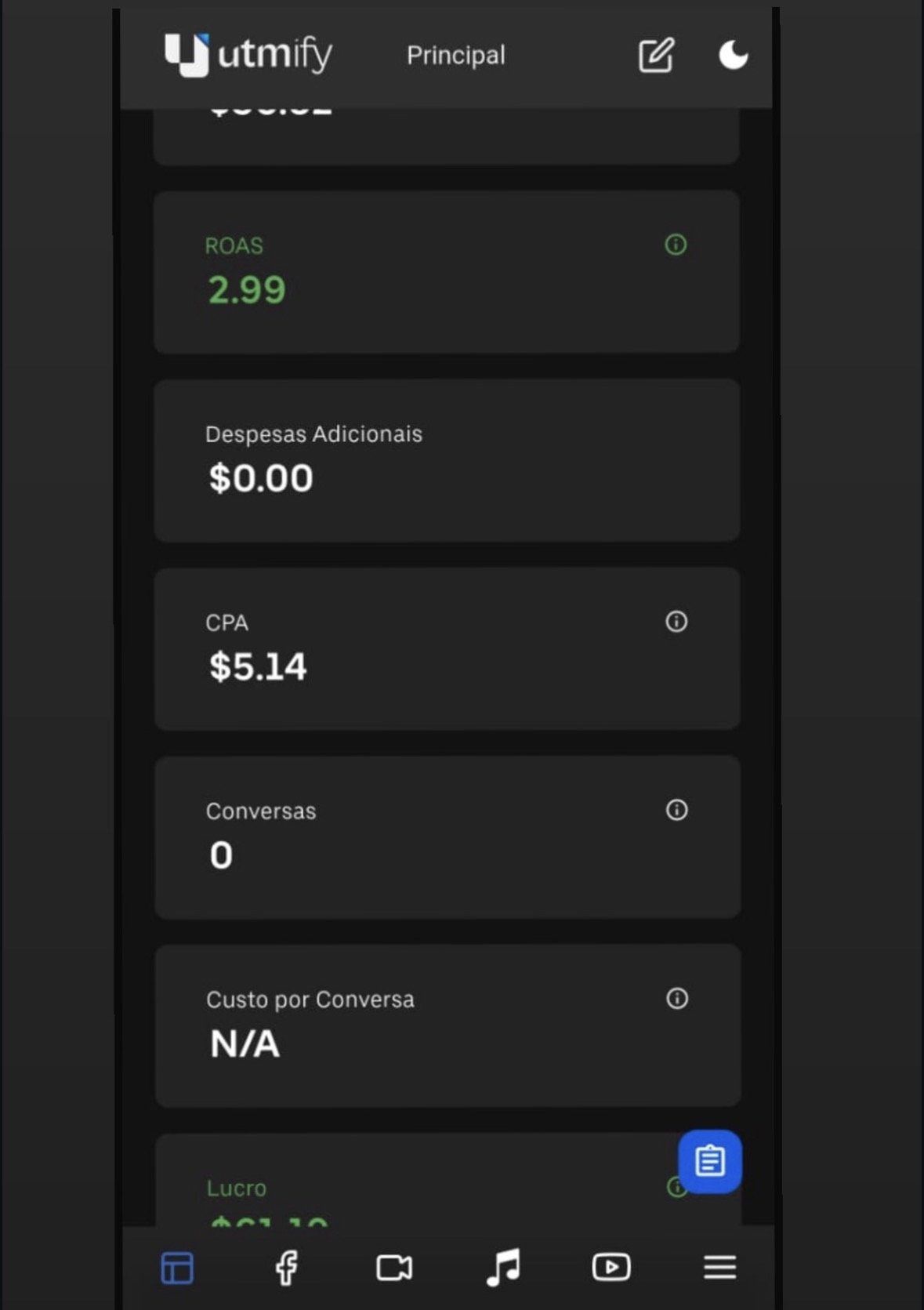
"With just two simple changes, last month’s revenue doubled and I achieved my highest ROAS ever."